














Strait of Hormuz Closure Halts Major Oil and Shipping Routes

Introduction
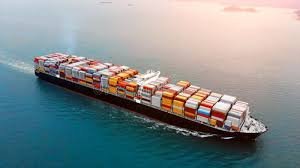
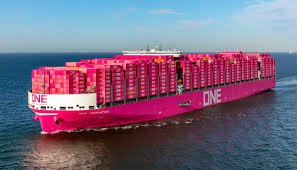
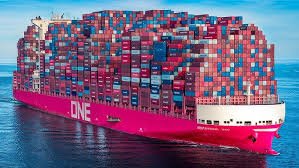
The Strait of Hormuz, one of the most critical chokepoints in global trade, has become the center of attention amid rising geopolitical tensions. Reports of its closure have raised serious concerns, as this narrow passage is responsible for a significant portion of the world’s oil transportation. The disruption has immediate and far-reaching implications for global energy markets and shipping routes.
Strategic Importance of the Strait of Hormuz
Located between the Persian Gulf and the Gulf of Oman, the Strait of Hormuz is a vital maritime corridor. Nearly one-fifth of the world’s oil supply passes through this route. It serves as a lifeline for energy exports from major oil-producing countries in the Middle East to the rest of the world.
Consequences of the Closure
The closure of the strait has led to several critical issues:
- Oil shipments have been halted or delayed, affecting global supply
- Shipping companies are forced to take longer, alternative routes
- Freight costs have increased due to extended travel times
- Energy markets are experiencing volatility
These disruptions are not limited to oil but also impact the transportation of other goods.
Impact on Global Economy
The immediate effect of the closure is a surge in oil prices. Higher fuel costs translate into increased transportation expenses, which in turn affect the prices of goods and services. Economies that rely heavily on oil imports are particularly vulnerable.
Challenges for Shipping Industry
Shipping companies are facing unprecedented challenges. Rerouting vessels increases travel time and fuel consumption, while security concerns add to operational complexities. Ports outside the affected region are also experiencing congestion due to diverted traffic.
Efforts to Mitigate the Impact
Countries and organizations are exploring ways to manage the situation. These include:
- Utilizing strategic oil reserves
- Strengthening alternative trade routes
- Increasing diplomatic efforts to resolve tensions
- Enhancing security measures for shipping
Conclusion
The closure of the Strait of Hormuz underscores the fragile nature of global trade infrastructure. It serves as a reminder of how geopolitical events can disrupt critical supply chains. Moving forward, the focus must be on building resilient systems and reducing dependency on single routes to ensure stability in global trade.