









Introduction
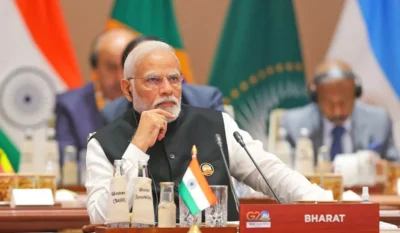
In response to the growing disruptions in global logistics due to the Middle East crisis, Indian authorities have convened an emergency meeting involving key officials, including the Directorate General of Foreign Trade (DGFT). This meeting aimed to evaluate the immediate challenges faced by exporters and devise strategies to mitigate the impact.
Understanding the Situation
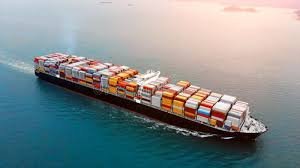
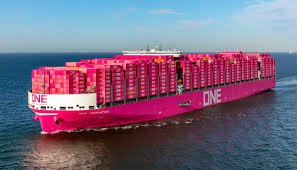
The current geopolitical tensions have led to significant interruptions in shipping routes, flight operations, and cargo handling systems. Ports are witnessing congestion, while air cargo capacity has reduced due to widespread flight cancellations. These disruptions are affecting supply chains across multiple industries.
Key Discussions in the Meeting
During the emergency session, officials discussed several critical issues:
- Delays in cargo shipments and rising freight costs
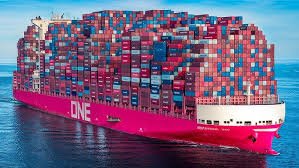
- Shortage of containers and increased turnaround time
- Impact on export-oriented industries such as textiles, pharmaceuticals, and electronics
- Challenges faced by small and medium enterprises (SMEs)
Role of DGFT
The DGFT played a crucial role in analyzing export trends and identifying sectors most affected by the crisis. The organization also explored ways to provide regulatory relief and streamline export procedures to support businesses during this period.
Immediate Measures Considered
Some of the measures discussed include:
- Simplifying documentation processes
- Extending deadlines for export obligations
- Enhancing coordination with logistics providers
- Providing financial assistance and risk coverage
Importance of Rapid Response
Timely action is critical in minimizing economic losses. By holding this emergency meeting, the government has demonstrated its commitment to addressing industry concerns and ensuring that exporters receive the necessary support.
Conclusion
The emergency meeting marks a significant step in India’s crisis management strategy. Through collaborative efforts and swift decision-making, the government aims to stabilize the logistics ecosystem and protect the interests of businesses during this challenging time.