











Government Introduces Procedural Flexibility in Export Authorizations

Introduction
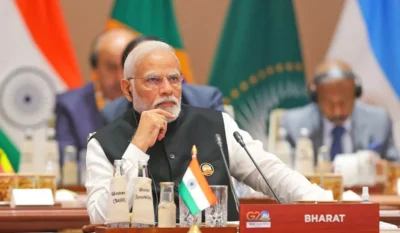
Amid ongoing global trade disruptions, the Indian government has introduced procedural flexibility in export authorizations to ease the burden on exporters. This move is designed to ensure smoother trade operations and reduce compliance challenges during uncertain times.
Need for Flexibility
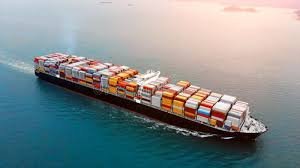
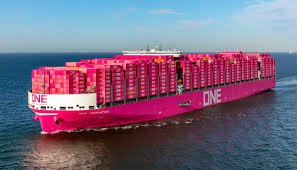
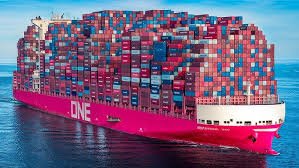
Exporters are currently facing multiple challenges, including delayed shipments, increased costs, and logistical bottlenecks. Strict regulatory requirements can further complicate operations, making it difficult for businesses to fulfill export commitments. Recognizing this, the government has taken steps to simplify procedures.
Key Changes Introduced
The procedural flexibility includes:
- Relaxation in documentation requirements
- Extension of deadlines for export licenses
- Simplified approval processes for shipments
- Faster clearance of pending authorizations
These measures aim to reduce administrative burdens and allow exporters to focus on maintaining business continuity.
Benefits for Exporters
The new policies offer several advantages:
- Reduced delays in shipment approvals
- Lower compliance costs
- Improved cash flow management
- Enhanced ability to adapt to changing market conditions
Small and medium enterprises, in particular, stand to benefit significantly from these reforms.
Broader Economic Impact
By facilitating smoother export operations, the government aims to maintain India’s trade competitiveness in the global market. These measures also help in preventing supply chain disruptions and ensuring that international trade commitments are met.
Conclusion
The introduction of procedural flexibility in export authorizations is a timely and strategic move by the Indian government. It reflects a balanced approach to regulation and support, ensuring that businesses can navigate challenges effectively. As global uncertainties continue, such initiatives will play a crucial role in sustaining economic growth and strengthening India’s export ecosystem.