











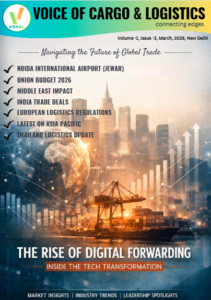
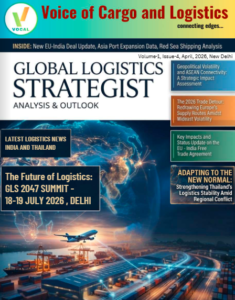



Middle East Crisis Disrupts Global Cargo and Logistics Operations

Introduction
The ongoing crisis in the Middle East has sent shockwaves across global trade and logistics networks. As one of the most strategically important regions for energy supply and maritime routes, any instability here has far-reaching consequences. The current situation has led to widespread disruptions in cargo movement, affecting industries and economies worldwide.
The Importance of the Middle East in Global Trade
The Middle East acts as a central hub connecting Asia, Europe, and Africa. It hosts some of the busiest shipping lanes and is a key supplier of oil and gas. Major ports and logistics hubs in the region facilitate the movement of goods across continents. Any disruption in this network creates a ripple effect across global supply chains.
Impact on Cargo Operations
The crisis has significantly impacted cargo operations in multiple ways:
- Shipping companies have suspended or rerouted vessels to avoid high-risk zones
- Ports in affected regions are experiencing delays and reduced capacity
- Air cargo operations have been disrupted due to flight cancellations and airspace restrictions
- Container shortages and congestion have increased turnaround times
These challenges are causing delays in deliveries and increasing operational costs for businesses.
Rising Costs and Insurance Challenges
One of the major consequences of the crisis is the sharp rise in shipping costs. War-risk insurance premiums have increased significantly, making it more expensive for companies to transport goods. Additionally, fuel prices have surged, further adding to logistics expenses.
Impact on Businesses and Consumers
Industries that rely heavily on imports and exports are facing serious challenges. From manufacturing to retail, supply chain disruptions are leading to shortages and price increases. Consumers may experience higher costs for everyday goods as businesses pass on the increased expenses.
Global Response
Governments and organizations worldwide are taking steps to manage the situation. Measures include diversifying trade routes, increasing domestic production, and providing financial support to affected businesses. Logistics companies are also exploring alternative routes and technologies to maintain operations.
Conclusion
The Middle East crisis has highlighted the vulnerability of global logistics systems. As the situation continues to evolve, businesses and governments must adapt quickly to minimize disruptions. Strengthening supply chain resilience and exploring alternative strategies will be crucial in navigating such challenges in the future.