










The Hidden World of Ship Cargo: How Global Trade Moves Across the Oceans

Every day, thousands of ships cross the world’s oceans carrying the goods that power our modern lives—cars, clothing, electronics, food, fuel, and even entire factories. Ship cargo is the backbone of global trade, quietly enabling economies to function and societies to thrive.
In this post, we’ll explore how ship cargo works, the different types of cargo vessels, and why maritime shipping remains the most important mode of international transport.
Why Ship Cargo Matters
Over 80% of global trade by volume is transported by sea. From crude oil to coffee beans, maritime shipping connects continents efficiently and cost-effectively. Without cargo ships, global supply chains would collapse.
Major maritime routes connect ports such as:
- Shanghai
- Singapore
- Rotterdam
- Los Angeles
These hubs act as gateways for goods entering and leaving their regions.
Types of Ship Cargo
Cargo is not one-size-fits-all. Different goods require specialized ships and handling methods.
1. Container Cargo
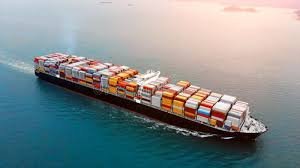
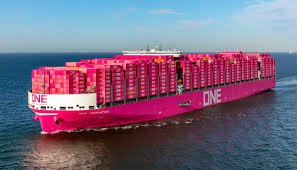
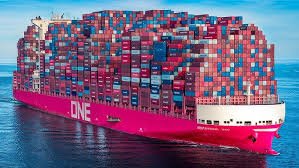
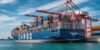
Container ships carry standardized steel boxes known as intermodal containers. These containers can be transferred seamlessly between ships, trucks, and trains.
Container shipping revolutionized global trade in the 20th century. A single ultra-large container vessel can carry over 20,000 containers in one journey.
Best for:
- Electronics
- Clothing
- Packaged foods
- Consumer goods
2. Bulk Cargo
Bulk cargo refers to unpackaged goods transported in large quantities.
Two main types:
- Dry bulk: Coal, grain, iron ore
- Liquid bulk: Crude oil, chemicals, liquefied natural gas (LNG)
Bulk carriers and tankers are specifically designed to handle these materials safely and efficiently.
3. Roll-on/Roll-off (RoRo) Cargo
RoRo ships are used for vehicles and heavy machinery that can be driven on and off the vessel.
Common cargo includes:
- Cars
- Trucks
- Construction equipment
4. Breakbulk Cargo
Before containers became standard, goods were loaded individually in crates, barrels, or pallets. Breakbulk shipping is still used for oversized or irregularly shaped items like:
- Wind turbine blades
- Industrial equipment
- Large pipes
The Journey of Cargo
A cargo shipment typically goes through several stages:
- Origin Handling – Goods are packed and transported to a port.
- Customs Clearance – Documentation is verified.
- Port Loading – Cranes load cargo onto the vessel.
- Ocean Transit – The ship travels across international waters.
- Port Discharge – Cargo is unloaded at the destination.
- Final Delivery – Goods are transported inland.
Each stage involves coordination between shipping lines, freight forwarders, customs officials, and logistics providers.
Modern Innovations in Cargo Shipping
The shipping industry is evolving rapidly with technology:
- Automation: Smart ports use automated cranes and vehicles.
- Digital Tracking: Real-time tracking improves transparency.
- Green Shipping: Companies invest in cleaner fuels and energy-efficient vessels.
- AI Route Optimization: Reduces fuel consumption and emissions.
Major maritime chokepoints like the Suez Canal and Panama Canal play critical roles in global logistics, shortening travel distances and saving billions in transportation costs.
Challenges in Ship Cargo
Despite its importance, maritime shipping faces challenges:
- Port congestion
- Geopolitical tensions
- Fuel price volatility
- Environmental regulations
- Climate-related disruptions
Events such as canal blockages or port strikes can disrupt global supply chains overnight.
The Future of Ship Cargo
The future of ship cargo is focused on sustainability and efficiency. Expect to see:
- Carbon-neutral ships
- Hydrogen and ammonia fuels
- Fully autonomous vessels
- Smarter global supply chain integration
As global demand continues to grow, maritime shipping will remain the most scalable and economical way to move goods across continents.
Final Thoughts
Ship cargo may operate largely out of sight, but it is one of the most critical systems in our global economy. From the phone in your hand to the food in your pantry, chances are it crossed an ocean aboard a cargo vessel.
The next time you see a container ship on the horizon, remember: it’s not just carrying cargo—it’s carrying the world’s economy.